A usable maintenance layer built on 1.4 million real records.
A mid-sized industrial manufacturer ran maintenance on a powerful but rigid enterprise platform. We built a purpose-built CMMS on top of it: same source-of-truth data, none of the friction, shaped exactly to how the plant actually works.
Verified against the production data mirror and current server configuration on September 2, 2026. Counts change as the source system synchronizes.
Great data, locked behind a rigid interface.
The maintenance team's system of record held everything — assets, work orders, parts inventory, labor history — but day-to-day it fought back. Reference fields showed raw machine IDs instead of names. Common workflows took too many clicks. Reporting meant exporting and wrestling spreadsheets.
The data was solid. The experience around it was the bottleneck.

Cryptic IDs
Hundreds of fields displayed raw IDs instead of the asset, person, or status they referenced.

Slow workflows
Creating a work order, logging labor, or issuing a part took more steps than the floor had patience for.

No live view
Dashboards and audit reports meant manual exports — stale the moment they were made.

One-size-fits-all
Off-the-shelf screens couldn't be shaped to the plant's real roles and routines.
Don't replace the system of record — build the right surface on top of it.
Ripping out an enterprise CMMS is risky and expensive. Instead, we integrated directly with the existing platform's API and built an automated sync that mirrors the live data into a fast local store — then put a clean, purpose-built application in front of it. The official system stays the source of truth; the team gets an interface built around their work.
Every reference ID is resolved to a human name. Every common task is a couple of clicks. Every dashboard is live. Nothing about the underlying data integrity changes.
A full maintenance management platform.
Enterprise API integration — automated, scheduled sync across a large maintenance data model with per-table status and metadata.
Human-readable everywhere — 105 current resolution rules map raw references to assets, people, statuses, departments, parts, suppliers, and other useful labels.
Work order lifecycle — create, edit, close, log labor, and issue parts with inventory auto-decrement and audit trails.
Live dashboards — work orders by status and type, top assets, overdue PMs, recent activity — all real-time.
Instant global search — Ctrl-K across work orders, assets, parts, and contacts.
Inventory management — part issuance, stock adjustments, and a McMaster-Carr-style visual parts catalog.
Roles & access — user authentication, role-based permissions, and per-user saved column presets.
Printable cards & CSV export — clean printable asset / part / work-order sheets and one-click data export.
Put the useful view where the work happens.
The core platform grew into focused companion workflows tied to the same maintenance data. Each one solves a narrow floor problem instead of forcing another full CMMS screen onto technicians and planners.
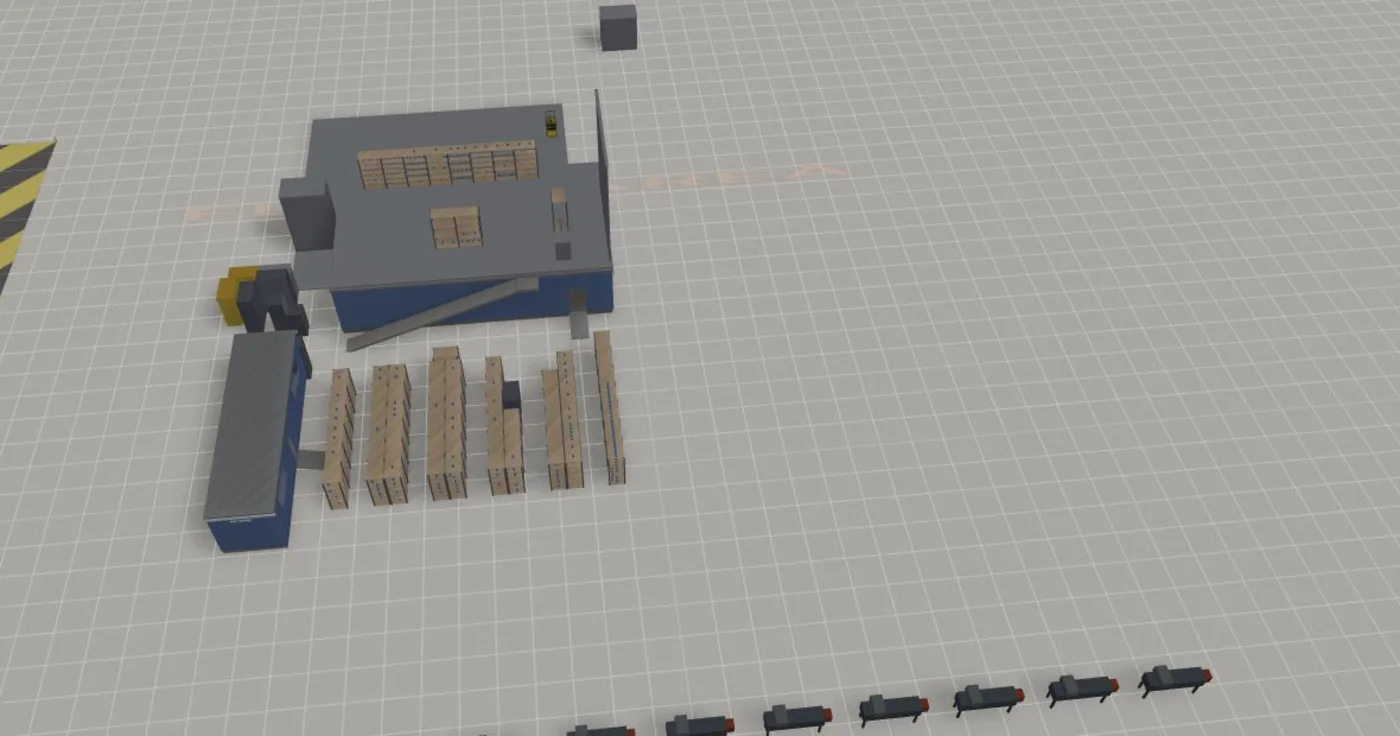
Mobile shelf count
A phone-based count workflow scans parts and shelves, records physical counts, and sends approved inventory updates through the authorized maintenance-system path.
Weekly planning board
A scheduler brings planned work, existing assignments, actual labor, technician notes, procedures, and authorized photos into one weekly operating view.
Visual part catalog
A searchable visual catalog makes part numbers, descriptions, locations, and available inventory easier to identify without digging through generic table screens.
The pattern is reusable: keep the enterprise system as the record, then build the smallest safe workflow that makes its data useful.
Useful software should not become another hidden dependency.
The platform uses a conventional stack, explicit data mappings, documented deployment paths, and client-controlled data. The same discipline supports monitoring, backup, rollback, and responsible handoff.
The same trusted data — finally usable.
The maintenance team now works in an interface built for them, not around the limits of a generic product. Cryptic IDs are gone. Work orders that used to require digging are one search away. Reporting that meant a spreadsheet export is now a live dashboard.
And because the platform is custom, it keeps growing with the plant — a secure single sign-on portal, a visual part catalog, and live scheduled-work-order audit reporting have all been layered on since launch.
Production proof, not a demo dataset.
Modern, maintainable, no lock-in.
A pragmatic stack chosen for speed, reliability, and easy handoff — not résumé-driven complexity.
Your system may already have the data this project needs.
Maintenance Operations Rescue starts with one report, spreadsheet, planning view, or floor workflow—and improves it without replacing the system of record.
Request a 30-minute fit call Take the free audit